Keynote Speakers
OUR SPEAKERS
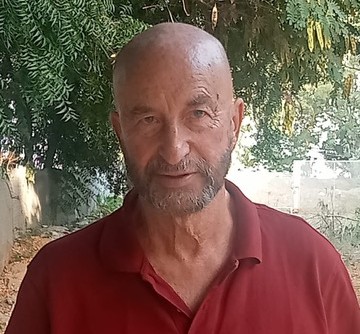
YAHYAOUI Mohamed Habib
Professor

YAHYAOUI Mohamed Habib
Professor
Mohamed Habib Yahyaoui holds PhD in animal sciences from the Autonomous University of Barcelona (UAB, Spain) and is currently professor in the Arid Lands Institute of Medenine (Tunisia) at the Livestock and wildlife laboratory. His research focuses on applying molecular genetics and genomic approaches to better understand the biological peculiarities of animal resources raised in the arid regions, the dromedary camel and small ruminants. This include genetic characterization of local breeds, diversity of the genes involved in the adaptive immunity ( Major Histocompatibility Complex, MHC) and their association with adaptation and production traits, as well as dairy potential of Tunisian dromedary camel population and ways of its genetic improvement using gene candidate approach (association genotype-phenotype).
- Email:mhyhabboub@yahoo.fr
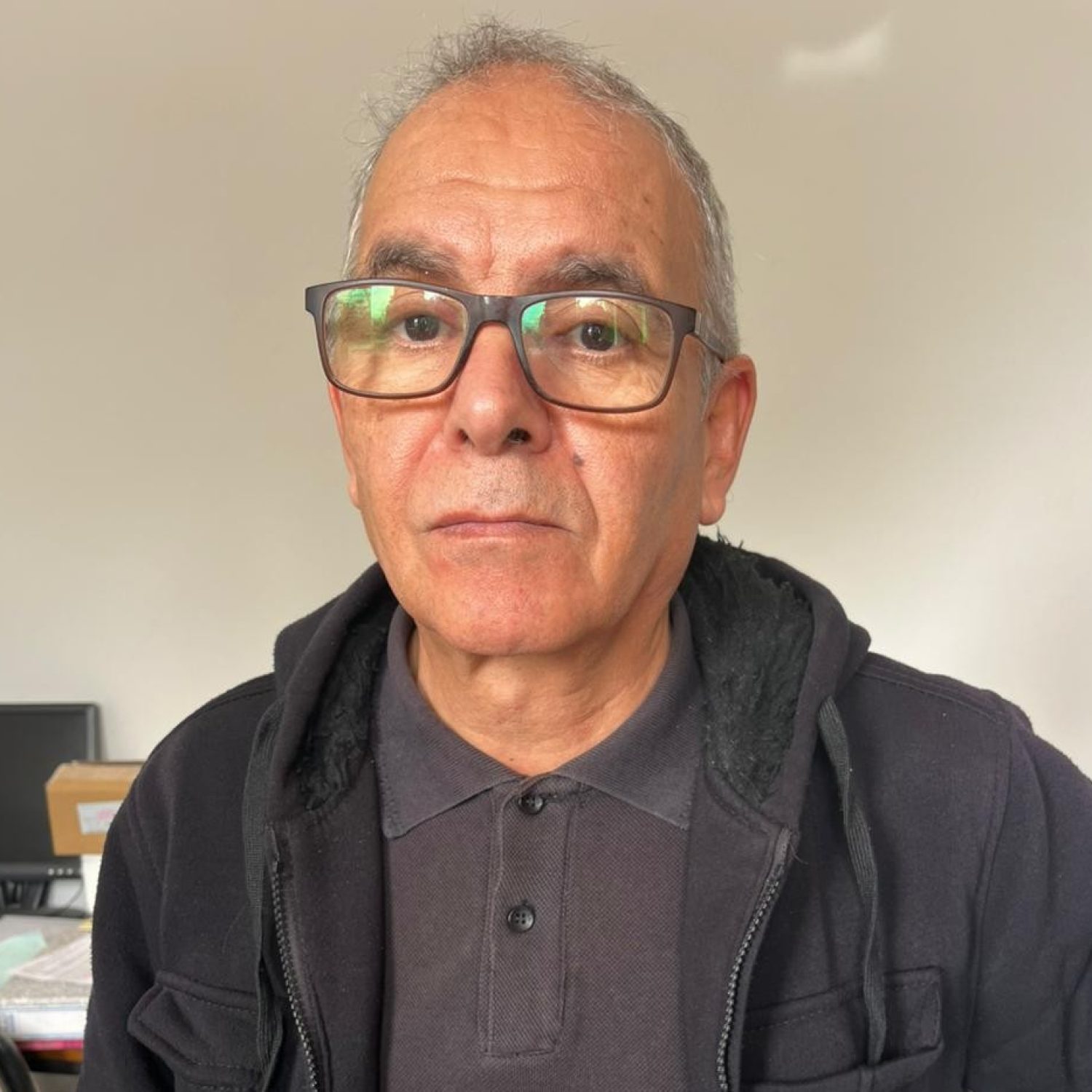
MAALLEM Chokri
Veterinary Doctor
MAALLEM Chokri
Veterinary Doctor

Chokri Maallem is a veterinary doctor at the Tunisian Ministry of Agriculture, Water Resources and Fisheries. He has extensive experience and proven expertise in food safety, and has conducted several national and international training sessions in this field. Graduated from ENMV Tunisia and UBO France, he has contributed to the development of camel husbandry in the Tozeur region. Here at camilk2026, he will present the health and regulatory challenges relating to the safety of camel milk.
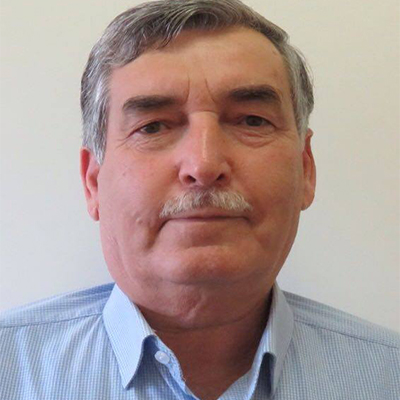
KONUSPAYEVA Gaukhar
Professor
KONUSPAYEVA Gaukhar
Professor
N°ORCID : 0000-0003-0171-3582
H-index: 22
Professor at Al-Farabi Kazakh National University, Almaty (Kazakhstan), leader scientist in Antigen Enterprise, member of International Guilde des fromagere, consultant for FAO, consultant for national association of artisanal processing milk producers. Field of expertises in dairy science and production (cow milk sector, camel milk sector, milk production, camel breeding); food technology (fermented dairy processing, cheese making, heat treatment); biochemistry (milk proteins, milk lipids, milk minerals); food safety and environment (environmental pollutants: heavy metals, pesticides, POPs in food chain, transfer into- out- animal). She worked for FAO in Saudi Arabia (2010-2015) where she developed extensive work on the composition and processing of camel milk. She carried out expertise on this subject in Kazakhstan, Morocco, Mauritania and Oman with FAO, Tunisia, Algeria, Spain, France, Turkey, Kazakhstan for the private sector and participated in numerous international conferences. She is also partner of EU project PRIMA program (CAMELMILK project), ERASMUS (France, Greece). She was a visiting researcher at CIRAD. In 2022 she was recognized as best scientists by Ministry of Science in Kazakhstan.
AL JASSIM Rafat
Professor
AL JASSIM Rafat
Professor
Dr AL JASSIM Rafat, BSc, MSc, PhD (r.aljassim@uq.edu.au) is a honorary Associate Professor in Animal Science Centre, Queensland Alliance for Agriculture and Food Innovation (QAAFI), University of Queensland, Australia (www.qaafi.uq.edu.au). He is specialised in Nutrition Biochemistry and Gut Microbiology. He has retired in 2016 after 16 years of service at Gatton Campus and 38 years in academia but continues to work as Independent Technical Consultant and participate in research projects. In doing so, Dr Al Jassim is trying to bridge the gap between academic expertise and commercial application. During the past 25 years, the focus of his research programs was on the impact of commensal gut microorganisms in large animal health and disease and the role of gut microbial ecology in the nutrition of domesticated and wild herbivores. Interaction between diet and the microbial community of the intensively managed animals has been of particular interest. Recent research programs have dealt with variety of topics including the use of plant extracts to control pathogenic microorganisms such as Campylobacter, isolation of bacteria with the ability to degrade mimosine and prevent leucaena toxicity, monensin toxicity in camels, seasonal changes in tropical grass quality and its impact on methane emission and rumen microbiota, impact of heat stress on rumen microbiota, the development of probiotic bacteria to reduce or prevent the risk of acidosis in ruminants and the effect of indospicine in camels.
- Email:r.aljassim@uq.edu.au