Overview
CONTEXT
Camel milk is experiencing growing global recognition due to its scientifically documented nutritional, functional, and therapeutic properties, including antidiabetic, antimicrobial, and immunomodulatory effects, as well as its strategic role in promoting sustainable development in arid and Saharan regions. This growing interest has been accompanied by a steady increase in global production and a progressive diversification of camel milk–derived products.
Globally, and particularly in Tunisia, the camel milk sector is undergoing a transition in livestock production systems. This transition is shaped by major challenges such as climate change, natural resource scarcity, evolving consumer expectations, and the pressing need to enhance the socio-economic resilience of herders. Despite its significant potential, the value chain continues to face several structural and technical constraints, including limited animal productivity, suboptimal milking practices, issues related to milk hygiene and quality, weaknesses in collection and logistics systems, technological processing challenges, insufficient standardization, and constraints in marketing and product acceptance.
National strategies for the development of camel farming, implemented with the support of research institutions and development stakeholders, have made significant progress, notably through projects such as PROCAMED, MECAMEL, and PAQ-Collabora.
Building on this momentum, the recently launched PRIMA CAMELIAIT4MED project (Fostering a sustainable Camel Milk Value Chain by Implementing Innovative Solutions and Strengthening Resilience of Smallholders in the Mediterranean region) and the project Innovation in the Valorization of Camel Milk and Its Derivatives: Sensory Analysis and Market Access (P2ES2023-D4P1), funded under the Scientific Excellence Promotion Program, seek to further strengthen innovation, sustainability, and territorial integration within the camel milk sector in Tunisia and across Mediterranean countries. These initiatives adopt a comprehensive value chain approach, fostering technology transfer, co-creation with local stakeholders, and the development of public–private partnerships, while actively facilitating and promoting improved access to markets.
It is within this scientific, socio-economic, and strategic framework that the international conference entitled “Camel Milk Value Chain: towards innovation and sustainability” is being organized. The event aspires to provide a dynamic platform for exchange and critical reflection on the ongoing transformations and future developments shaping the camel milk sector.
OBJECTIVES
THEMES
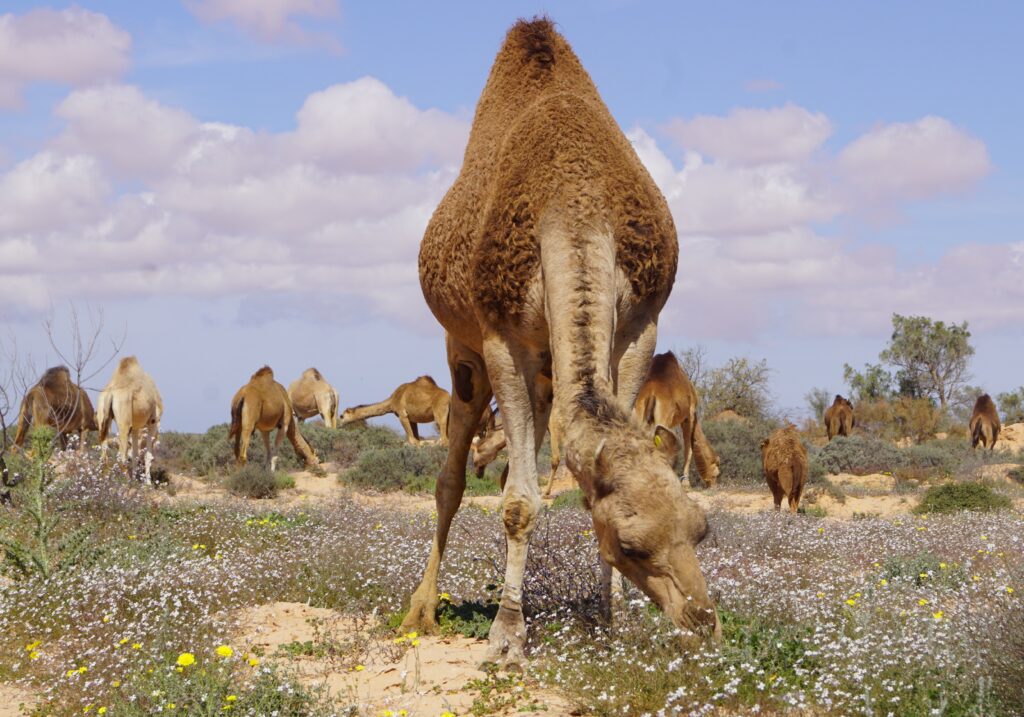
Camel farming systems and milk production
- Production performance and factors of variation
- Nutrition, health, welfare, and behavior of dairy camels
- Milking (manual and mechanized) and milk hygiene
- Transition towards sustainable semi-intensive and intensive systems
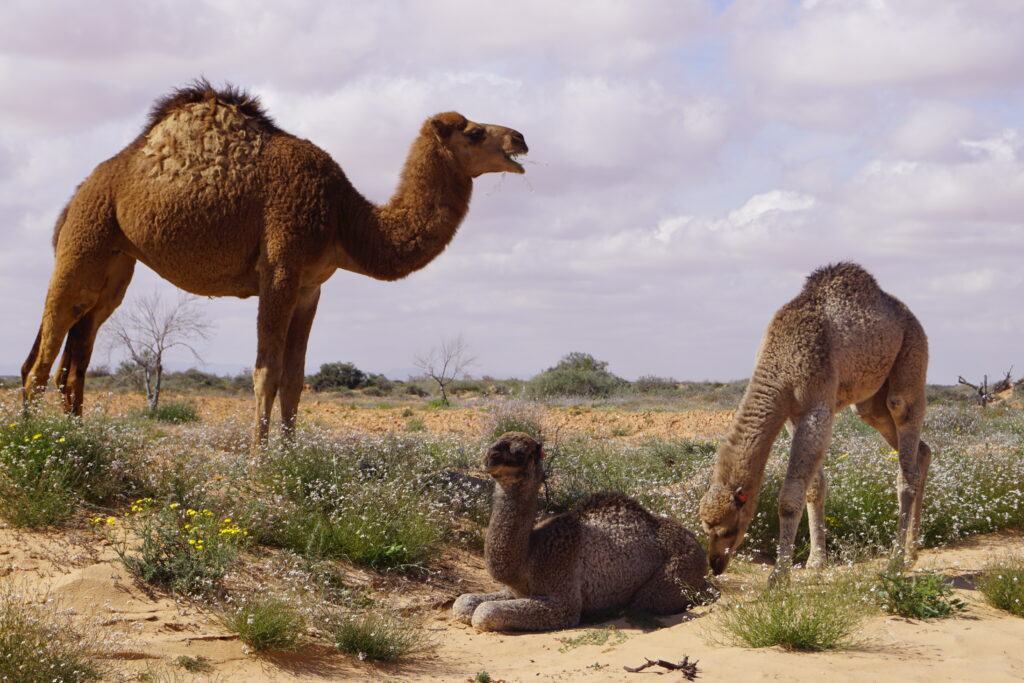
Biology of dairy camels: Genetics, Physiology, and Reproduction
- Genetics, genomics, and proteomics
- Reproductive biotechnology, gestation, and parturition
- Lactation physiology and adaptation physiology…
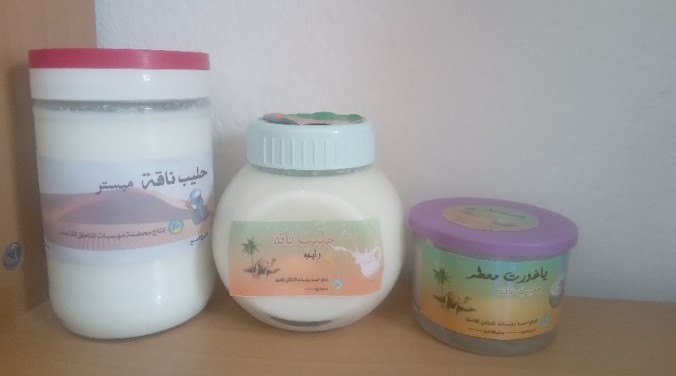
Camel milk: Quality, Technology, and Valorization
- Quality and nutritional benefits of camel milk: composition, microbiology, and bioactive properties
- Technological innovations and processes adapted to the specificities of camel milk
- Nutritional, sensory, and functional quality of dairy products
- Food safety of camel dairy products
- Quality and valorization of non-bovine milk in arid regions
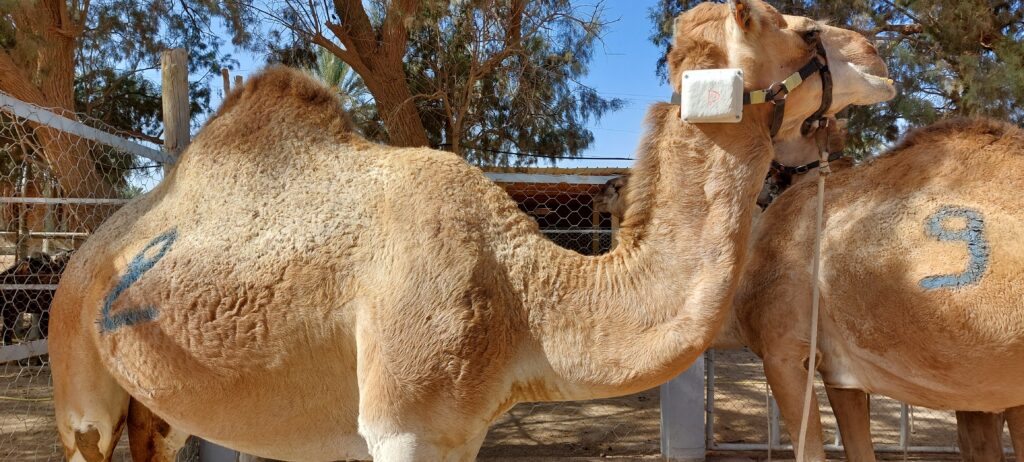
Innovative technologies and Artificial Intelligence in dairy farming
- Intelligent systems for monitoring animal health, welfare, behavior, and reproduction
- Smart milking systems, sensors, IoT, and automation for milking and milk quality
- Digital innovations, collaborative platforms, and technology transfer to farmers and value chain actors
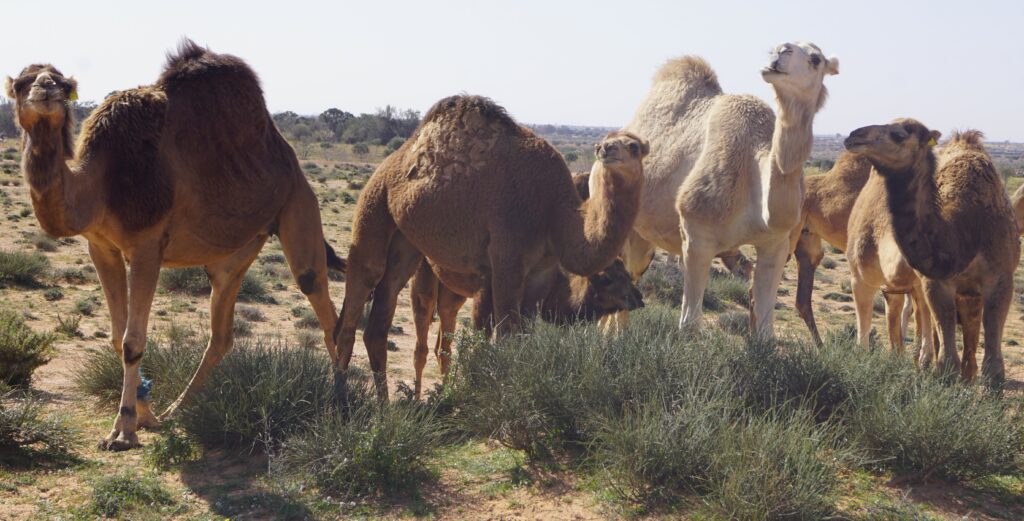
Value chain, governance, and sustainability of the camel milk sector
- Organization, governance, and performance of the value chain
- Business models, entrepreneurship, and public–private partnerships
- Socio-economic and environmental positioning and impacts
- Public policies, development strategies, and sector foresight