
International conference
Camel Milk Value Chain :
towards innovation and sustainability
November 03–05, 2026
|
Djerba Island, Tunisia
CAMILK 2026
November 03–05, 2026
|
Djerba Island, Tunisia
CAMILK 2026
EVENT STARTS IN
- 00 DAYS
- 00HOURS
- 00MINUTES
- 00SECONDS
ABOUT THE CONFERENCE
CAMILK 2026
This conference is held under the auspices of the Ministry of Agriculture, Water Resources, and Fisheries (MARHP) and is organized by the Laboratory of Livestock and Wildlife (LEFS) at the Institut des Régions Arides of Médenine, in partnership with the Office of Livestock and Pastures, with the support of national and international organizations.
LEFS
LABORATORY OF LIVESTOK AND WILDLIFE
0
+
RESEARCHERS
0
+
PARTNERS
0
+
YEARS OF EXPERIENCE
0
+
BREVETS
OBJECTIVES
To present the current status and key challenges in advancing the camel milk value chain, with a focus on fostering innovation, promoting sustainability, and strengthening partnerships between research, development, and the private
1.
To present and discuss research findings and technological innovations within the camel milk chain.
2.
To identify levers and scenarios for the sustainable development of the sector in arid and Mediterranean regions.
3.
To promote the exchange of experiences among researchers, policymakers, development actors, breeders, and investors.
4.
To offer strategic and implementable recommendations for advancing development programs and fostering public-private partnership.
THEMES
Camel farming systems and milk production
- Production performance and factors of variation
- Nutrition, health, welfare, and behavior of dairy camels
- Milking (manual and mechanized) and milk hygiene
- Transition towards sustainable semi-intensive and intensive systems
Biology of dairy camels: Genetics, Physiology, and Reproduction
- Genetics, genomics, and proteomics
- Reproductive biotechnology, gestation, and parturition
- Lactation physiology and adaptation physiology…
Camel milk: Quality, Technology, and Valorization
- Quality and nutritional benefits of camel milk: composition, microbiology, and bioactive properties
- Technological innovations and processes adapted to the specificities of camel milk
- Nutritional, sensory, and functional quality of dairy products
- Food safety of camel dairy products
- Quality and valorization of non-bovine milk in arid regions
Innovative technologies and Artificial Intelligence in dairy farming
- Intelligent systems for monitoring animal health, welfare, behavior, and reproduction
- Smart milking systems, sensors, IoT, and automation for milking and milk quality
- Digital innovations, collaborative platforms, and technology transfer to farmers and value chain actors
Value chain, governance, and sustainability of the camel milk sector
- Organization, governance, and performance of the value chain
- Business models, entrepreneurship, and public–private partnerships
- Socio-economic and environmental positioning and impacts
- Public policies, development strategies, and sector foresight
OUR SPEAKERS
YAHYAOUI Mohamed Habib
Professor.
YAHYAOUI Mohamed Habib
Professor.
Mohamed Habib Yahyaoui holds PhD in animal sciences from the Autonomous University of Barcelona (UAB, Spain) and is currently professor in the Arid Lands Institute of Medenine (Tunisia) at the Livestock and wildlife laboratory. His research focuses on applying molecular genetics and genomic approaches to better understand the biological peculiarities of animal resources raised in the arid regions, the dromedary camel and small ruminants. This include genetic characterization of local breeds, diversity of the genes involved in the adaptive immunity ( Major Histocompatibility Complex, MHC) and their association with adaptation and production traits, as well as dairy potential of Tunisian dromedary camel population and ways of its genetic improvement using gene candidate approach (association genotype-phenotype).
- Email:mhyhabboub@yahoo.fr
MAALLEM Chokri
Veterinary Doctor.
MAALLEM Chokri
Veterinary Doctor.
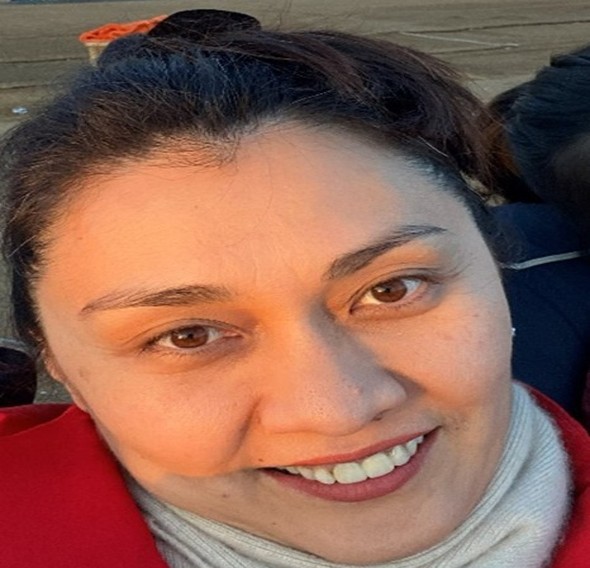
Chokri Maallem is a veterinary doctor at the Tunisian Ministry of Agriculture, Water Resources and Fisheries. He has extensive experience and proven expertise in food safety, and has conducted several national and international training sessions in this field. Graduated from ENMV Tunisia and UBO France, he has contributed to the development of camel husbandry in the Tozeur region. Here at camilk2026, he will present the health and regulatory challenges relating to the safety of camel milk.
KONUSPAYEVA Gaukhar
Professor
KONUSPAYEVA Gaukhar
Professor
N°ORCID : 0000-0003-0171-3582
H-index: 22
Professor at Al-Farabi Kazakh National University, Almaty (Kazakhstan), leader scientist in Antigen Enterprise, member of International Guilde des fromagere, consultant for FAO, consultant for national association of artisanal processing milk producers. Field of expertises in dairy science and production (cow milk sector, camel milk sector, milk production, camel breeding); food technology (fermented dairy processing, cheese making, heat treatment); biochemistry (milk proteins, milk lipids, milk minerals); food safety and environment (environmental pollutants: heavy metals, pesticides, POPs in food chain, transfer into- out- animal). She worked for FAO in Saudi Arabia (2010-2015) where she developed extensive work on the composition and processing of camel milk. She carried out expertise on this subject in Kazakhstan, Morocco, Mauritania and Oman with FAO, Tunisia, Algeria, Spain, France, Turkey, Kazakhstan for the private sector and participated in numerous international conferences. She is also partner of EU project PRIMA program (CAMELMILK project), ERASMUS (France, Greece). She was a visiting researcher at CIRAD. In 2022 she was recognized as best scientists by Ministry of Science in Kazakhstan.
xxxxxxx
xxxxxxxxx
xxxxxxx
xxxxxxxxx
OUR SPONSORS
OUR PARTNERS